
24/7 EMERGENCY PLUMBING SERVICES AVAILABLE CALL 0417 678 781


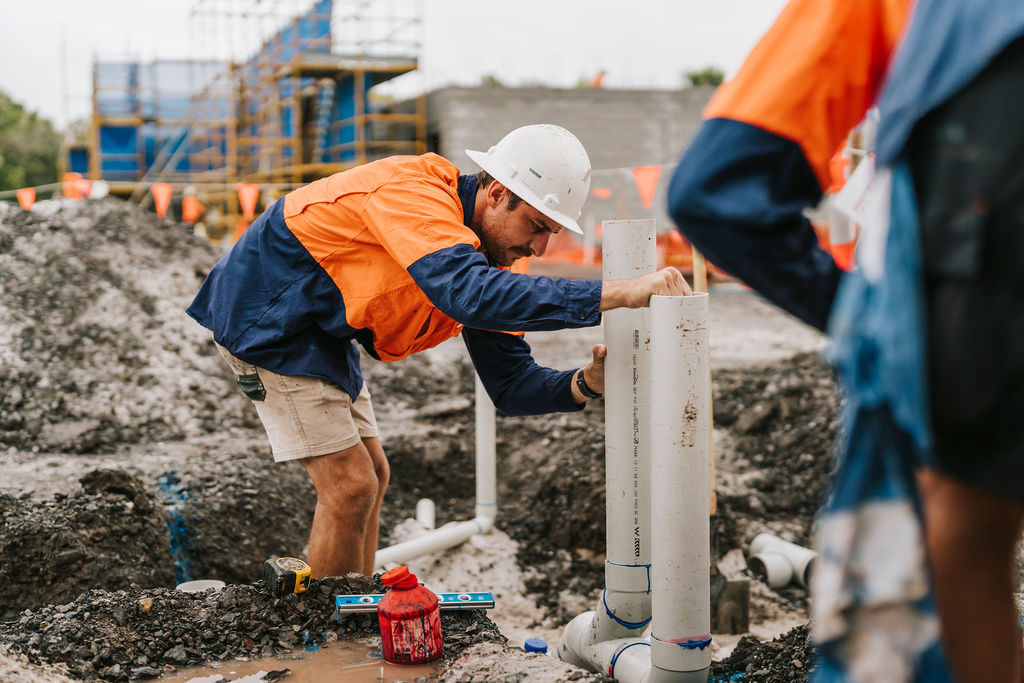
Blocked drains are one of the most common plumbing problems faced by
homeowners and businesses across Melbourne. While a slow-draining sink or unpleasant smell may seem like a minor inconvenience, ignoring the issue can lead to overflowing drains, water damage, and costly repairs.
At Peak Plumbing & Gas, we provide professional blocked drain services throughout Melbourne, helping our customers quickly identify and fix drainage problems before they become major issues.
Drains are designed to carry wastewater away from your property, but over time, debris and foreign objects can build up inside the pipes, restricting water flow. Understanding the common causes of blocked drains can help you avoid expensive
plumbing emergencies.
Many people pour cooking oil, grease, or fat down the kitchen sink. Although these liquids may seem harmless, they cool and harden inside the pipes, trapping food particles and causing stubborn blockages.
Dispose of cooking oil in a sealed container.
Wipe greasy pans with paper towels before washing.
Use sink strainers to catch food scraps.
Hair is one of the leading causes of bathroom drain blockages. Over time, hair combines with soap residue to create thick clumps that restrict water flow.
Install hair catchers in showers and bathroom sinks.
Clean drain covers regularly.
Avoid washing excessive hair down the drain.
Coffee grounds, rice, pasta, eggshells, and fibrous vegetables can all contribute to blocked kitchen drains, even if you have a garbage disposal.
Scrape food scraps into the rubbish bin.
Compost suitable food waste.
Avoid disposing of coffee grounds in the sink.
Tree roots naturally seek moisture and can enter underground pipes through tiny cracks or loose joints. Once inside, they continue growing and eventually block the entire drain.
Prevention Tips:
Schedule regular CCTV drain inspections.
Plant trees away from sewer lines.
Repair damaged pipes promptly.
Wet wipes, paper towels, cotton buds, sanitary products, nappies, and tissues do not break down like toilet paper and can easily block sewer pipes.
Prevention Tips:
Only flush:
Toilet paper
Human waste
Everything else belongs in the rubbish bin.
Soap residue mixed with minerals found in hard water gradually narrows the inside of your pipes, reducing water flow.
Prevention Tips:
Flush drains regularly with hot water.
Clean drains periodically.
Consider installing a water softening solution if recommended.
Older plumbing systems may develop cracks, corrosion, or collapsed sections that prevent wastewater from flowing correctly.
Signs include:
Frequent blockages
Water pooling outside
Slow drainage throughout the property
Professional inspection can identify whether repairs or pipe replacement are required.
Leaves, dirt, and outdoor debris can enter stormwater drains during heavy rainfall, creating blockages that may cause flooding around your property.
Prevention Tips:
Clean outdoor drains regularly.
Remove leaves from gutters.
Keep stormwater pits free of debris.
Children’s toys, jewellery, paper towels, and other household items accidentally dropped into drains can quickly cause severe blockages.
Prevention Tips:
Keep drain openings covered where possible.
Supervise young children around sinks and toilets.
Never use drains as rubbish bins.
Many blocked drains develop gradually over months or years. Routine plumbing maintenance helps identify early warning signs before they become major problems.
Professional plumbers use specialised equipment such as CCTV drain cameras and high-pressure water jetting to keep your drainage system operating efficiently.
Signs You Have a Blocked Drain
If you notice any of the following, it’s time to call a professional plumber:
Slow-draining sinks or showers
Gurgling sounds from drains
Bad odours coming from pipes
Water backing up into sinks or toilets
Overflowing outdoor drains
Frequent toilet blockages
Ignoring these signs can result in more serious plumbing issues and costly repairs.
How Peak Plumbing & Gas Can Help
At Peak Plumbing & Gas, we provide fast, reliable, and professional blocked drain solutions across Melbourne.
Blocked drain diagnosis
CCTV drain camera inspections
High-pressure water jet drain cleaning
Sewer and stormwater drain clearing
Tree root removal
Pipe repairs and replacements
Emergency plumbing services
Our experienced plumbers use modern equipment to locate the exact cause of the blockage and provide long-lasting solutions.
When you choose Peak Plumbing & Gas, you benefit from:
Licensed and experienced plumbers
Prompt and reliable service
Advanced drain inspection technology
Affordable and transparent pricing
Residential and commercial plumbing solutions
Friendly customer service
We are committed to delivering quality workmanship and ensuring your plumbing system operates efficiently all year round.
Contact Peak Plumbing & Gas Today
Don’t let a blocked drain turn into an expensive plumbing emergency. Whether you’re dealing with a slow-draining sink, overflowing drain, or recurring blockage, our experienced team is here to help.
Call 0417 678 781 or visit www.peakplumbinggas.com.au to book a blocked drain inspection or emergency plumbing service anywhere in Melbourne.
Frequently Asked Questions
How do I know if my drain is blocked?
Common signs include slow drainage, unpleasant odours, gurgling sounds, and water backing up into sinks or toilets.
Can I unblock a drain myself?
Minor blockages can sometimes be cleared, but persistent or severe blockages should be inspected by a licensed plumber to prevent further damage.
How often should drains be professionally cleaned?
For most homes, having your drains inspected every 1–2 years can help prevent major blockages. Commercial properties may require more frequent maintenance depending on usage.
What is the best way to prevent blocked drains?
Avoid pouring grease down the sink, use drain strainers, only flush toilet paper, and schedule regular plumbing maintenance to keep your drains flowing freely.
If your enquiry is urgent, please contact our team by phone on 0417 678 781 for immediate assistance. For all other matters, complete the form and we will respond as soon as we can.
By clicking submit you confirm that you have read and accept the Peak Plumbing + Gas Services Privacy Policy and Terms of Use.